
Behavior Modification In Dogs: What is Dog Behavior Modification?

Jasper ready for his behavior session!
Revised 7/3/23
By Anthony De Marinis
Behavior modification also known as behavior rehabilitation or behavior resolution, is a treatment approach for changing the undesirable behaviors that your dog exhibits. Behavior modification can address a broad range of issues and is designed to meet the specific needs of each dog and household.Behavior modification addresses issues such as:
Aggression toward people, dogs, and other animals
Reactive behaviors on walks, such as barking and lunging (commonly known as leash reactivity)
Fear of noises, people, other animals, and storms
Separation anxiety and other issues when home alone
Excessive barking
Excessive attention-seeking
Compulsive based behaviors
and even issues with puppies
These are just some examples of behaviors addressed by behavior modification.
A qualified behavior professional takes many things into account in order to provide an appropriate plan, as behavior modification can be very complex. In order to provide a proper behavior plan, a behavior professional will:
Identify what the presenting concerns/issues are in the specific case
Understand the circumstances of the behavior issue, including what happens before, during, and after an unwanted behavior
Find out more about the dog’s health and day-to-day life, the environment the dog lives in, his or her exercise habits, and the owner/family
When necessary, provide safety and management strategies
Explain canine behavior and canine body language based on the the dog and the dog’s behavior
Provide problem-solving recommendations, training skills and behavior modification protocols and strategies to reduce and/or address the issues.
Dog Training Methods and Beliefs
There are many different methodologies and philosophies in the world of dog training and behavior. It’s important to have a basic understanding of these, as well as the tools used by people who practice the various methods when choosing the best option to work with you on modifying your dog’s behavior(s).
To learn more about the different dog training methodologies take a look at my blog post called Dog Training Methods and Beliefs,where I discuss training philosophies and methods in detail.
What methods and strategies will my dog trainer and behavior professional use to modify behavior?
Again, there are many methodologies that dog trainers and behavior professionals use. When I started out as a professional dog trainer and behavior professional, I practiced positive reinforcement methods only. But as time went on I saw how following one method and philosophy in dog training and behavior modification seemed to limit some clients and their dogs in the improvements they were able to make. Over the past few years I have changed, grown and developed many new skills and knowledge in the way I work as a dog trainer and behavior consultant where I now practice a more “balanced” approach in my training as this does not limit me in any one training method or philosophy. This ultimately provides more options for the dog and owner when trying to modify their dogs behavior.
Today, dog training and behavior modification have become a hot topic, especially in the United States as the dog training industry is not regulated. And you will get many conflicting view points and opinions based on your research and who you listen to. For example, if you listen to dog trainers who only practice positive reinforcement, including Veterinary Behaviorists, they will tell you that “the science says” the most evidence based and humane approach is to only use positive reinforcement methods and to only hire a professional who practices this one method. I use to believe too! But as I have grown, I have learned that this information is false and that in many ways I was lied to. This is why it is important to learn about the different types of dog training methods.
Now to be fair, sometimes all you need is a positive approach to training and behavior modification. There are definitely many situations where this can work and can work really well! I am not going to deny that. But there are also situations where this is not the case.
Again, you can learn more about the different training methodologies by visiting my blog called Dog Training Methods and Beliefs for a simple break down.
Anyway, let’s move on!
When modifying dog behavior there are a number of approaches that can be used to make change. The approach and strategies used will be determined based on the type of dog professional you hire. But in general some of the options may include:
Training exercises and behavior modification techniques that involve rewarding desirable behaviors, which is called operant conditioning.
They may also use practices known as counter-conditioning and desensitization, which help dogs overcome fears and other discomforts by trying to create a positive association with certain things they encounter in their daily life.
In addition, these types of professionals will implement management strategies when needed to help reduce or stop behavior. Management simply means changing your dog’s environment to make it impossible or unlikely that he’ll perform unwanted behaviors.
Dog training and behavior professionals who follow a more “balanced” training approach many choose to use negative reinforcement and/or some form of punishment to stop or reduce a behavior, which in some cases can be helpful and sometimes necessary, as it may actually be the most humane and fair to the dog. (Keep in mind that I am using the word “punishment” loosely here, and I am not promoting harsh, heavy-handed, or abusive treatment of dogs.) Here is an example of what I mean. I had client who worked remotely. The dog would constantly park whenever she had a zoom call. Multiple trainers suggested teaching the dog an alternative behavior such as going to her dog bed and staying there whjile the owner was on a call. This only made the issue worse, especially in their attempts when using treats to reward quiet and calm behavior. Keep in mind the dog was also working with a veterinary behaviorist and was on multiple medications for a variety of issues. The medication was still not enough to help this dog once she started to get into this state of mind. What we decided to do was pair the word “enough” with a punisher, in this case the use of a Pet Corrector (a can of compressed air that emits an abrupt sound to startle the dog). When the dog would bark, the owner would say “enough” and emit the pet corrector. She had to use it a total of three times over the course of two days. When the dog stopped barking, then we started teaching her what to do instead as she was now in a more relaxed state rather than continuing to bark for an hour like before. The end result was that the owner was able to take zoom calls while the dog remained asleep and relaxed. This is a perfect example of punishment being used correctly. The best part was, after I did this, I spoke with the dogs veterinary behaviorist and she actually agreed that this was the best and most humane approach given the situation. It is situations like this as to why I no longer focus soley on positive reinforcement only.

Anthony working with Baci on his reactive behavior towards dogs.
What Should I Look for When Hiring a Behavior Consultant?
What a great question!
I would suggest hiring someone based on the issues or priorities you have. While many professionals are great at what they do, finding someone who has a relevant area of expertise can be extremely beneficial. Finding an aggression specialist or a puppy specialist can sometimes make all the difference based on your needs.
It is important to realize that the dog training industry is currently not regulated. There are numerous certifications dog trainers can obtain but, as I discuss in my blog post about certification called, Do I Need to Hire a Dog Training and Behavior Professional With Credentials? – The Art & Science of Dog Training, it is not necessary to choose a professional solely based on certifications or credentials. There are some organizations offering credentials that have set standards through testing and competency. This provides the public with professionals who meet certain minimum requirements. But again, hiring who you feel is the best for your pet is most important.
If you are looking for a dog behavior trainer and live near me on Long Island, please visit my help for dog behavior problems and behavior modification in dogs page on my website. If you are out of my area, I also provide virtual dog training and virtual behavior consultations with online tools such as Zoom.
Behavior Modification: How To Get Started
Here are some helpful tips that you can use to get the most for your money when hiring a professional behavior consultant.
What is your dog saying? Learn about body language
Our dogs are constantly communicating through their body language and behavior. Understanding canine body language and communication signals is important, as it helps us understand why they are displaying certain behaviors. Taking the time to learn about canine body language and communication signals is the first step in treating any behavior issue. Here are some credible sources of information to learn about canine body language and communication:
Capture video
If possible, and if safe to do so, capture video footage of the behavior(s) of concern. (Please do not put yourself, your dog, or the public in harm’s way to capture video of unwanted behaviors.) You can record it on your cell phone or by setting up portable cameras where the behavior(s) typically happen. Remember to record both before, during, and after the behavior so that your behavior consultant has a full picture of the issue. This video can be reviewed with your behavior consultant during your comprehensive consultation.
Keep a journal
Writing down specific incidents when the problem behavior(s) happens is key! You should also include what happens before and after the behavior(s), as this provides valuable information. Include as much detail as you can.

Small dog waiting her turn for her behavior modification lesson
Frequently Asked Questions for Behavior Issues
What causes behavior issues in dogs?
Behavior issues in dogs can be a result of many things. Some common reasons behavior issues occur include:
Lack of proper, early, and appropriate socialization
Fear, anxiety, and stress
Lack of training
Traumatic experiences
Rehearsed behaviors (when a behavior is practiced over and over)
Improper training and/or the use of training tools that could case negative effects to the specific dog/learner in a specific context
Fear and intimidation tactics and physical force
Genetic predisposition (poor breeding)
Medical and physical issues
Reinforced inappropriate behaviors
How long will it take to fix my dogs behavior issues?
The timeframe for behavior modification relies on a variety of factors.These include:
The type of behavioral issue
How long the issue has gone on
How you have addressed the issue in the past, if at all.
Your dog’s ability to process and comprehend behavior modification protocols and training
Your follow-through on implementing training and behavior modification protocols
The severity of the issues:
Severe cases may require the help of a veterinarian or veterinary behaviorist in addition to a behavior modification plan.
What should I expect from a behavior consultation?
During a comprehensive behavior consultation, you should expect your training and behavior professional to:
Get to know your dog with an in-depth and thorough behavior history form.
Help you understand your dog’s behavior.
Discuss your goals and concerns to develop a plan.
Introduce training concepts.
Provide helpful suggestions and information.
Observe and evaluate your dog.
Discuss safety and/or management strategies.
Many trainers will begin implementing some of their proposed strategies during the initial consultation.
It is important to note that your behavior consultant may recommend seeking help from your veterinarian or a veterinary behaviorist to rule out any health- or pain-related issues and/or to seek help with behavior medication.
Follow Us On Social Media
About Anthony De Marinis
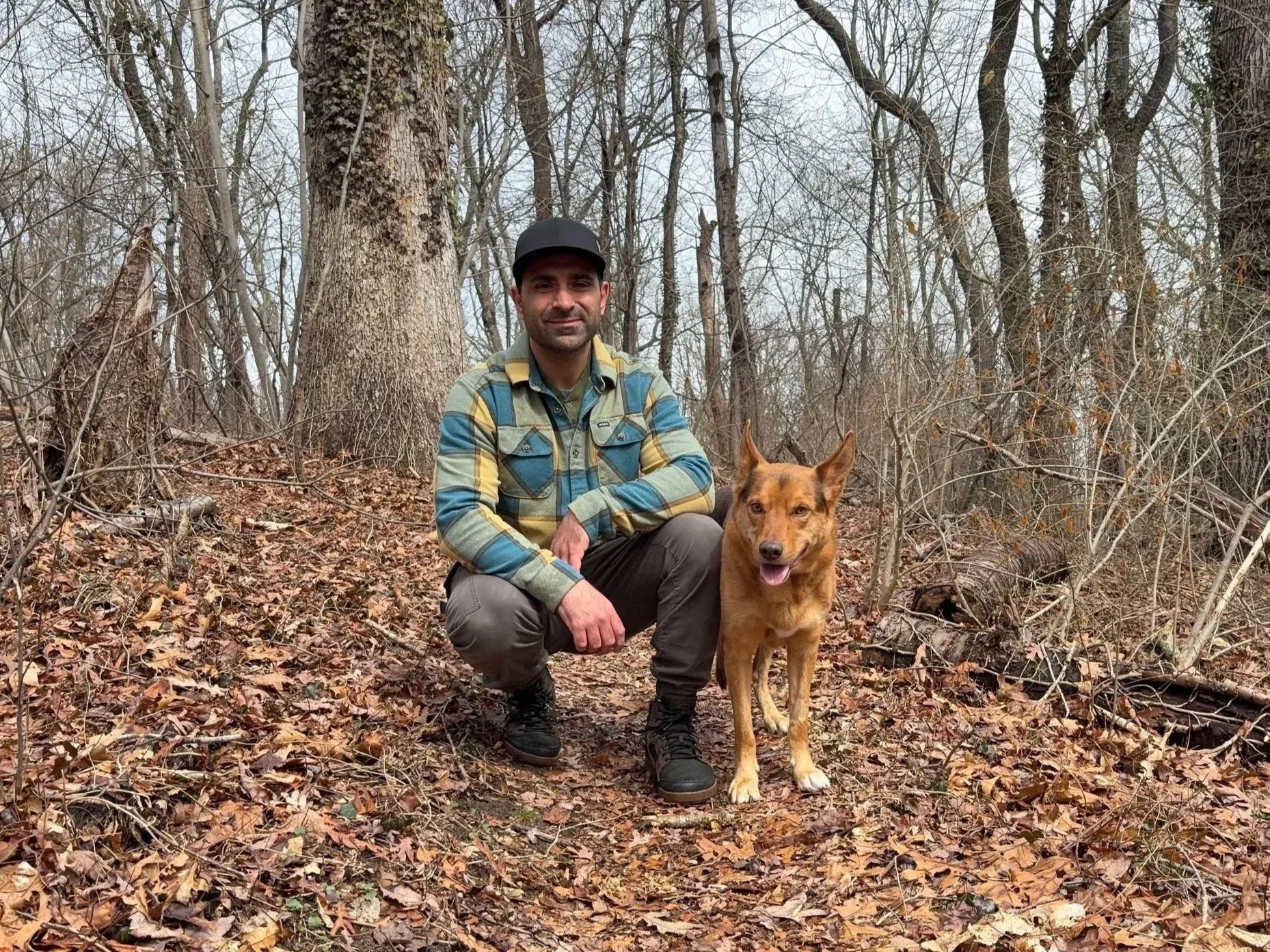
Anthony De Marinis and Journey hiking off leash.
