
Professional Help For Aggressive Dog Behavior On Long Island
In-home customized behavior modification for your dog.
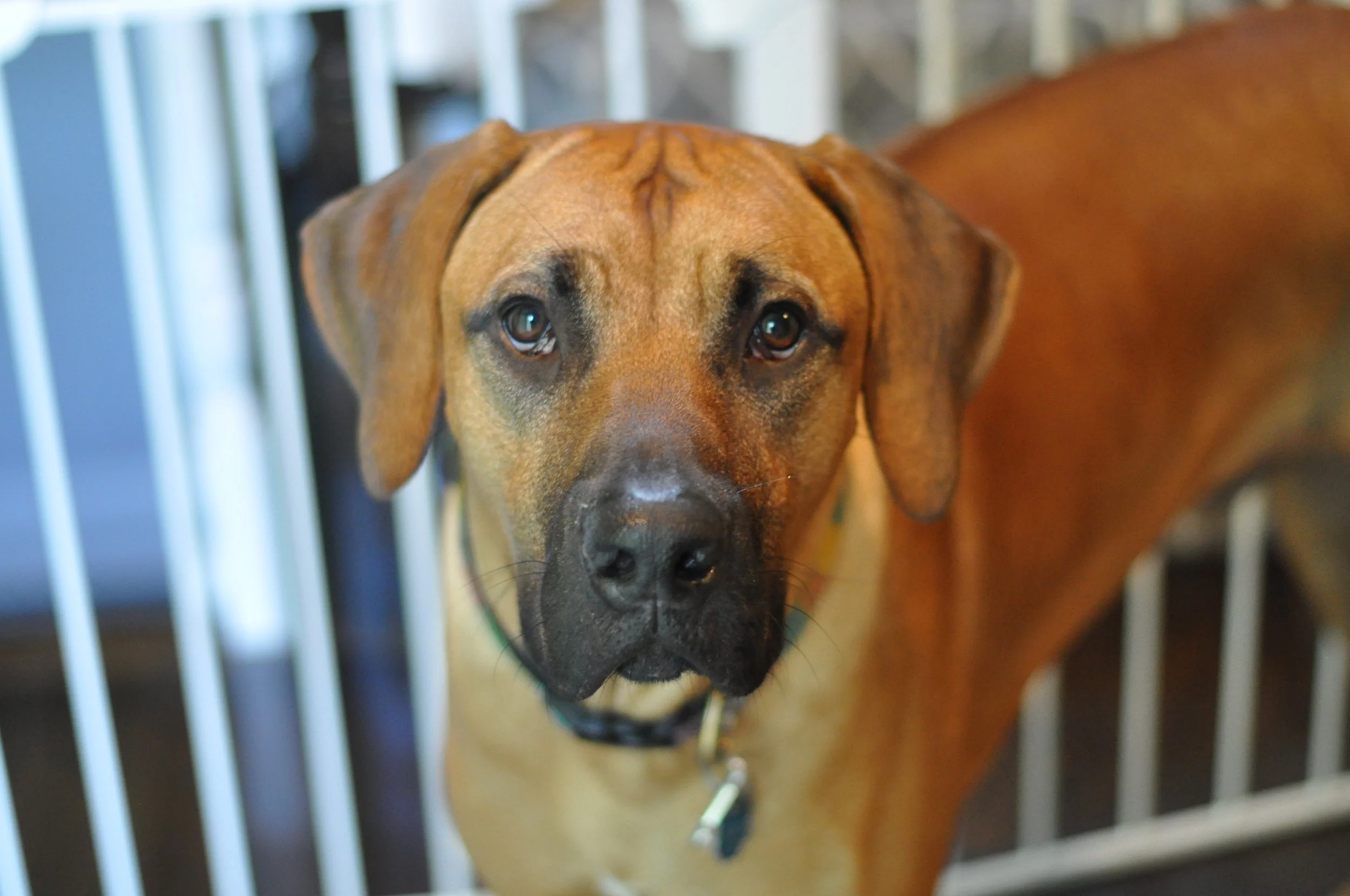
ft. Bo
Aggressive Dog Training & Behavior Modification In Nassau County and Huntington, Long Island
Aggressive behavior can be stressful to live with. It affect daily life- from aggression towards visitors, and the family, to issues on walks and everyday situations. De Marinis Dog Training & Behavior provides professional in-home dog training and behavior modification for aggressive behavior. We work with a range of challenging behaviors, including growling, barking, lunging, snapping, biting, leash aggression, resource guarding, territorial aggression, fear-based aggression, and dog-to-dog reactivity.
Every case of aggression is different. We start by identifying the root cause and factors that contribute to your dog’s behavior. We evaluate your dog’s triggers, behavior, environment, and individual needs to create a customized training and behavior modification plan. Our approach focuses on behavior change, creating consistency, improving communication, and teaching both you and your dog in order to safely manage your dog in challenging situations.
De Marinis Dog Training & Behavior provides hands-on guidance and practical strategies needed to work toward safer, more manageable behavior, clear and consistent communication and a stronger relationship with your dog.
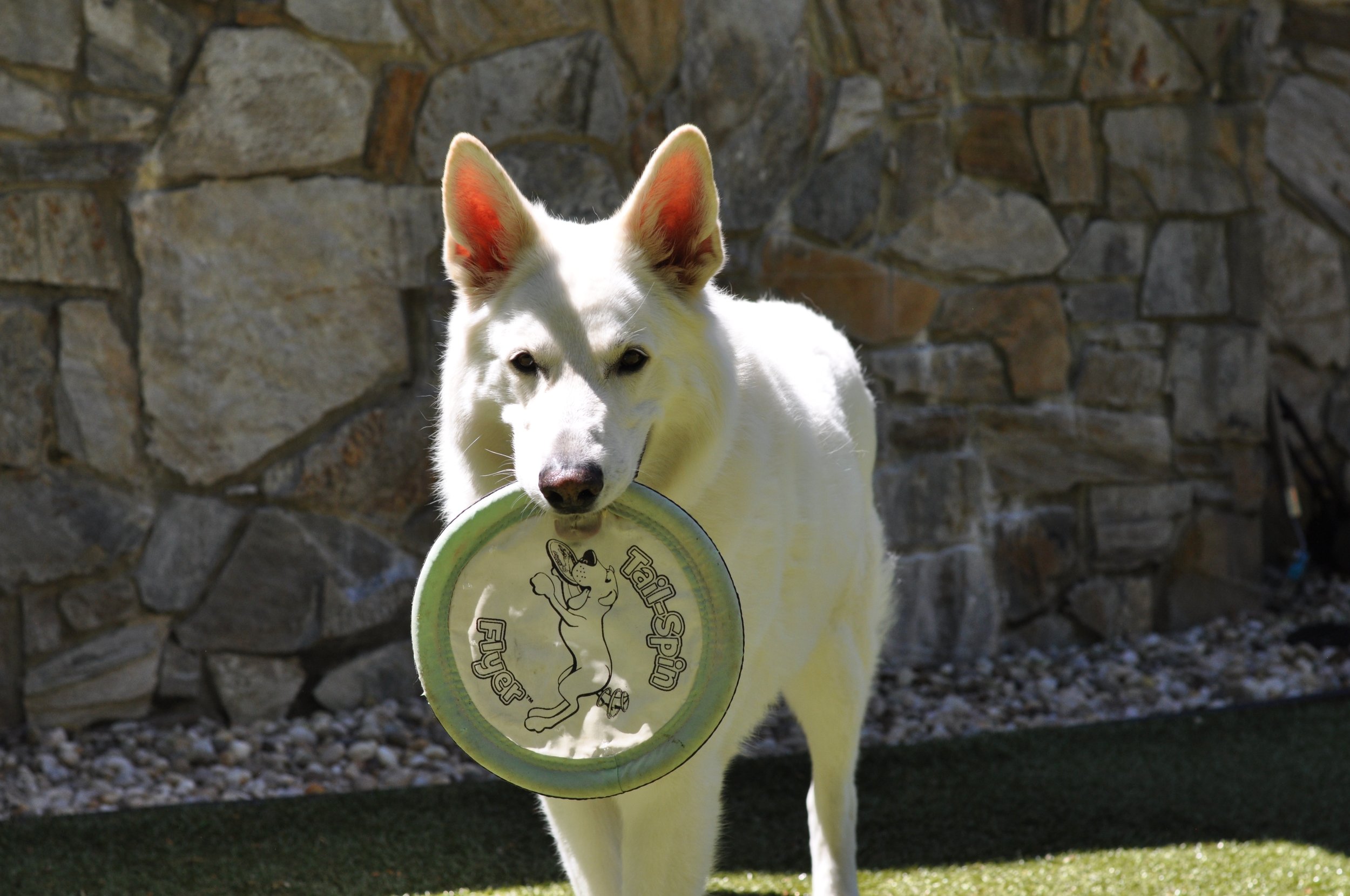
Our friend Max with his favorite frisbee
Our Process and How It Works
Initial Consultation (1.5 - 2 Hours): Everyone starts here. During the consultation we will:
Learn about your dog’s behavior(s)
Discuss your goals
Discuss your behavior and training options
Create a plan and come up with strategies
Implementation of strategies and training skills generally starts during the initial consultation.
Follow-up Sessions (45 min - 1 hour): During the follow-up sessions we will generally start where we left off from our prior session by continuing to build on any skills or strategies that were covered and/or we will introduce additional skills and strategies to continue moving forward with your goals.
*Rates are listed on the rates page.
Behavior Modification Can Help With:
Fear-related Aggression
Aggression toward people or strangers
Owner-directed Aggression
Aggression towards dogs, cats and other animals
Resource Guarding (possessive behavior)
Territorial Aggression
Aggression on walks, such as barking and lunging &/or biting
Aggressive, reactive and fearful behavior towards children
Aggression when being physically handled, touched &/or restrained
Aggressive behavior between one or multiple dogs within the same home
And Much More!
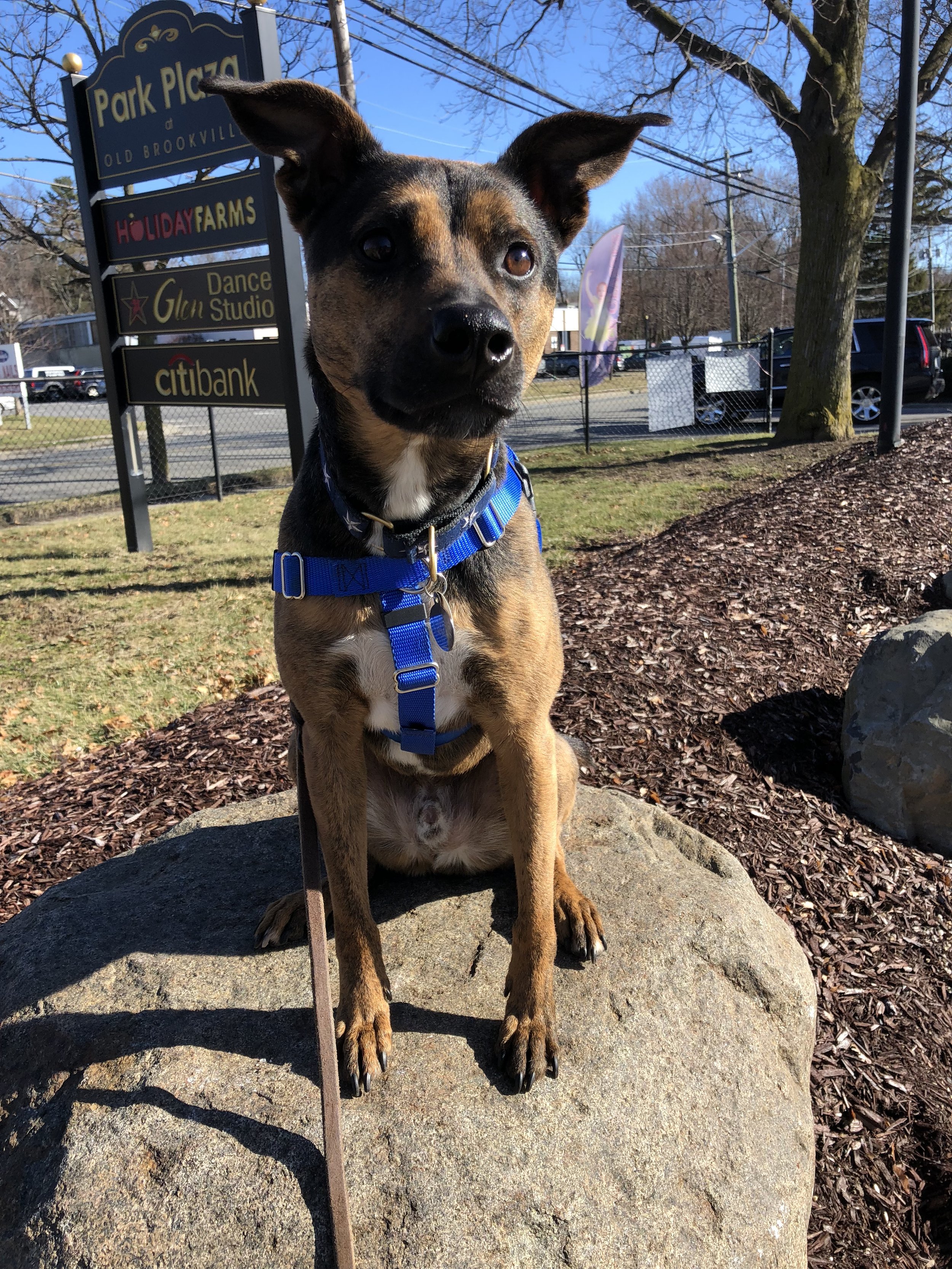
Gerber out on a walk
Our Approach & Philosophy
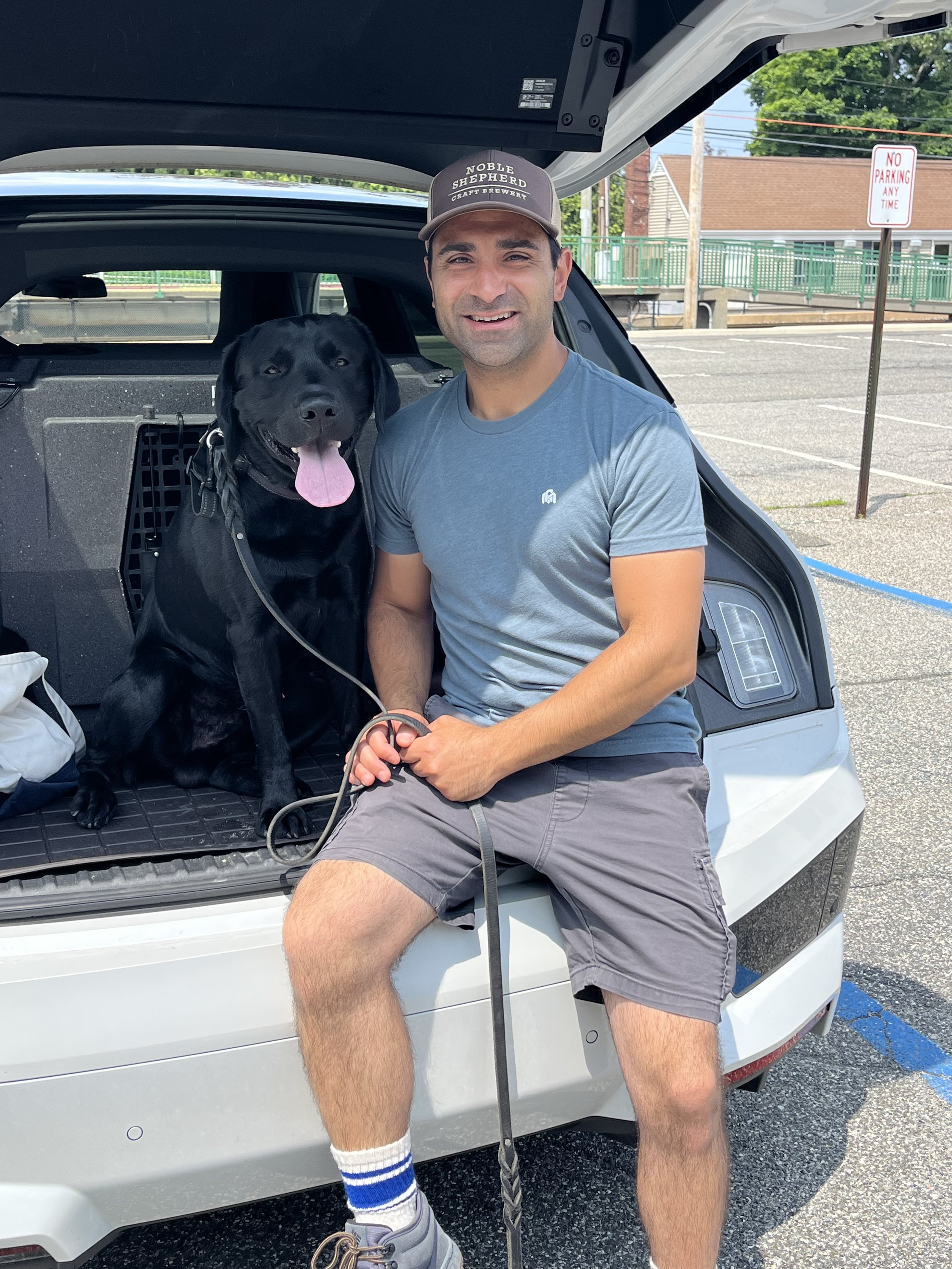
Anthony and Duncan after a training session
We approach each dog as an individual, helping them to be the best version of themselves while teaching you how to be the best owner for your dog.
As individuals, each dog learns, works and is motivated in different ways, which is why we do not believe in one training method or approach.
Our training techniques and behavior modification strategies incorporate a variety of methods and styles, with a focus on reward-based techniques and play, as we believe training and learning should be enjoyable, motivating, and cultivate a relationship. This is done by using food, toys and play, praise and attention, and/or exploration as rewards.
Lessons are customized based on your goals and who your individual dog is. Our goal is to help you and your dog succeed. Together, we will determine what the best training methods, strategies and tools for your dog and you will be so that you can achieve your goals and live your best lives together.
If you would like see what our training looks like, take a look at some of the videos throughout the website and on our social media channels.
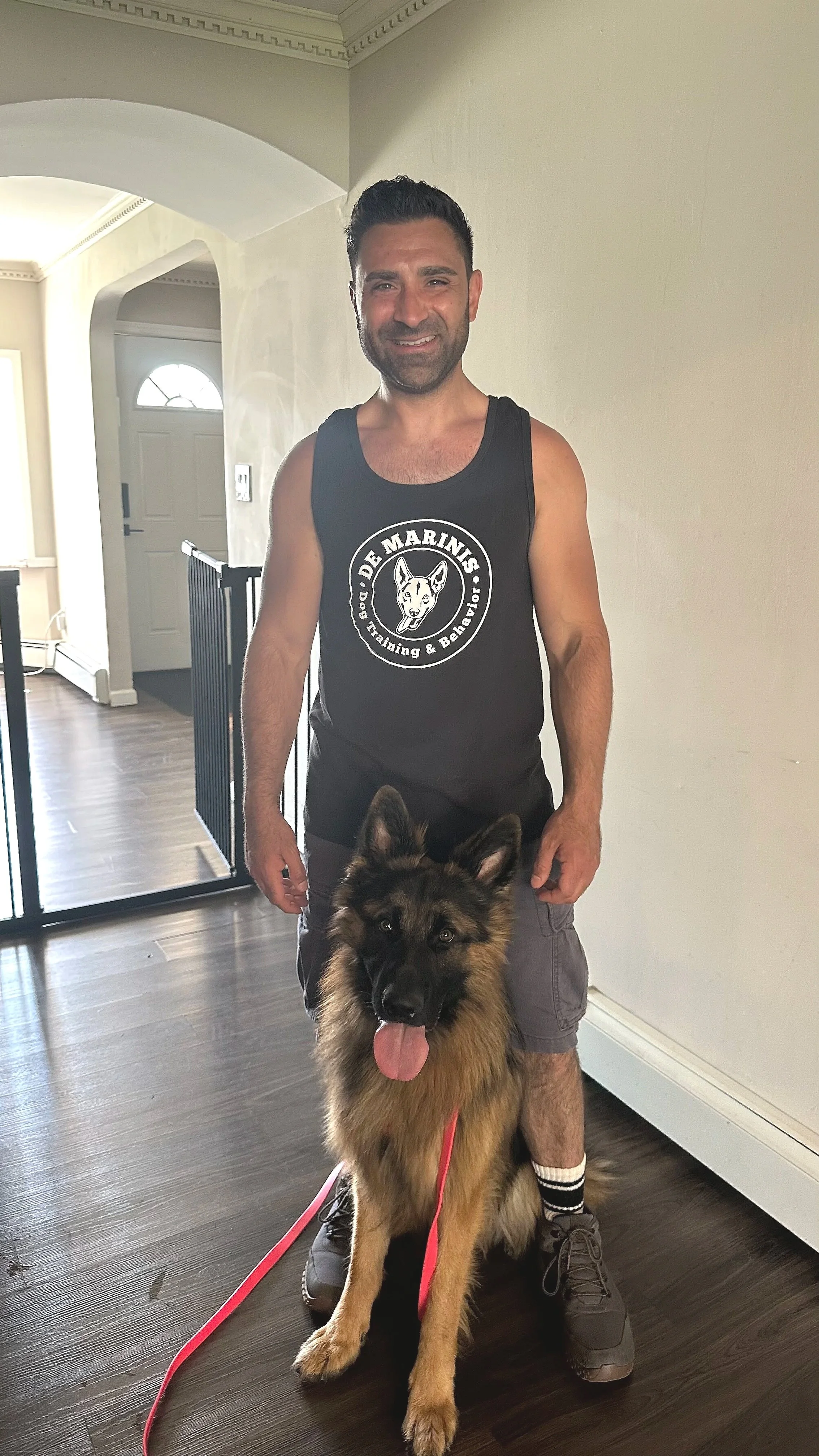
Anthony and Zammy after a training session
Through our one-on-one lessons, you will learn how to:
Train your dog.
Understand who your dog is and why they do the things they do.
Address your dog’s sometimes inconvenient behavior(s).
Fulfill your dog’s needs both physically and mentally.
Guide and set your dog up for success, both in and out of the home.
Create clear and consistent rules and boundaries.
NOTE: We do NOT offer quick-fix approaches.
Want to see what our sessions look like?
Take a look at the clips down below!
Online Virtual Behavior Sessions Are Available
Whether you are local or not, Online Virtual Behavior Sessions are available. If you do not have a qualified behavior professional near you, you can get help no matter where you live!
Frequently Asked Questions
-
Aggrssion represents a spectrum of behaviors, ranging from minor posturing to serious and dangerous attacks. Aggressive behaviors typically occur when a dog is feeling threatened, fearful, stressed, anxious, conflicted/concerned, protective, overstimulated, frustrated, angry or in pain. Additionally, in some cases, I personally believe some dogs use aggressive behavior because they find it enjoyable and reinforcing to fight and scrap. Dogs typically display aggressive behaviors to warn, intimidate, defend/protect and/or cause harm. In effect, aggressive behaviors can serve the function of increasing distance from or cause harm to a perceived threat or danger. Aggressive behaviors range from warning signals to overt behaviors which include, but are not limited to: lifting the lip; growling; baring teeth; snarling; lunging; muzzle punching (bumping or punching with a closed mouth); air snapping (biting the air); biting without causing injury; and biting while causing injury (to various degrees). To learn about aggressive behavior in more detail, click here.
-
Behavior issues in dogs can be a result of many things. Some common reasons behavior issues occur include:
Lack of proper, early and appropriate socialization
Fear, anxiety and stress
Lack of training
Traumatic experiences
Rehearsed behaviors: when a behavior is practiced over and over
Improper training and/or misuse of tools
Genetic predisposition (poor breeding)
Medical and physical issues
Reinforcing inappropriate behaviors
-
The answer to this question really depends on a variety of factors. These include:
What the behavior issue is
The severity of the problem will determine how long it can take to address a problem
How long the issue has gone on
How the issue may have been addressed prior, if at all.
How long it will take your dog to process and comprehend behavior modification protocols and training
If the owner chooses to follow through on implementation of training and behavior modification protocols
-
There is a lot of debate about this question within the dog training and behavior community today. If you ask five dog training and behavior professionals, you will get five different answers. To make it more confusing, with social media, the growth of AI and some veterinarians and veterinary behaviorist organizations; all seem to have become sources claiming to be the “experts” of “knowing best”.
The truth is, every dog is different, every dog is an individual and there are many different reasons as to why a dog may have a behavior issue. This also means there are multiple ways to achieve results in many cases. In the end, the method chosen should depend on the individual dog and behavior issue. The approach should be as fair as possible and clear to the dog rather than being soley based on ideological beliefs.
Despite what you may read online or see on social media or on your favorite AI platform, behavior modification is not a one size fits all approach.
-
Understand What Your Dog Is Saying
Our dogs are constantly communicating through their body language and behavior. Understanding canine body language and communication signals is important because it can help us learn about how our dogs are feeling and why they are doing the behaviors they choose to display. Taking the time to learn about canine body language and communication signals is the first step in treating any behavior issue.
Upload Video Footage
If you have any videos of the problem behaviors, it is helpful to upload them to your computer. You can also upload a couple of videos where your dog is just being him/her self, regardless if it shows any of the behavior issues. If possible, please upload videos on Youtube and make sure to select it as “Unlisted” so that it is not public. Once your appointment is scheduled, you can send Anthony an email with the links to each video. You can also upload video to Google Drive if you prefer. If none of these options work for you, just save them to your computer and Anthony can share the screen view option together during the consult. All videos will be reviewed together during the consult. If you do not have video footage of the issues, do not worry. It is NOT worth trying to provoke your dogs behavior or put yourself or your dog in harms way for video footage.
Keep a Behavior History Journal
In a notebook, you should be writing down specific incidents when the problem behavior(s) happens is key! You should also include what happens before and after the behavior(s) as this provides valuable information. Include as much detail as you can.
Client Testimonials
“I found Anthony after searching for a trainer for my boxer mix who is aggressive towards dogs. He took his time to observe what was going on and help develop a plan that works for me. He has been supportive every step of the way. I have noticed a huge improvement in her behavior overall. I am so grateful to be working with him.”
-Tara C. , Board Certified Behavior Analysts
“Our dog, a two year old rescue, was exhibiting signs of leash aggression, as well as issues with strangers and other dogs. We were all immediately comfortable with Anthony, who took the time to understand our situation and to discuss our expectations for training. We began to notice a reduction in our dog’s leash aggression within the first few sessions.”
Maxwell N.
-Max N.
“As a family we were in desperate need of help for Hudson. We had trainers, worked with our vet and even went to a behavior vet for meds. Anthony came into our home to assess. We can’t thank Anthony enough for his time and patience with us and of course with Hudson.”
-Cindy C.