Puppy Proofing Your Home: Keep Your Puppy and Your Home Safe
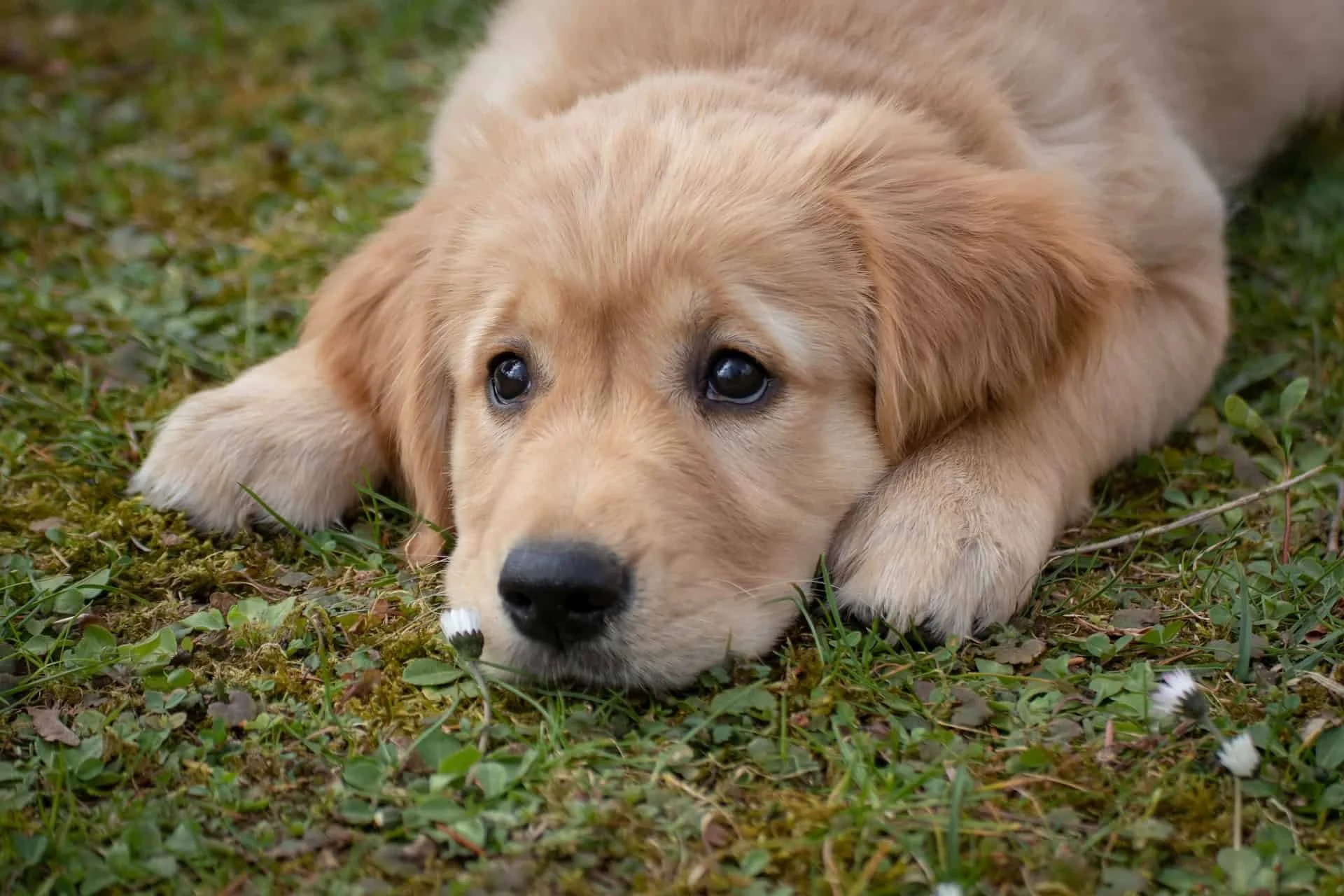
So you got yourself a puppy! Hooray! Puppies are fun and bring out the best in people. But they can also bring out the worst in people to. Living with a puppy can be time-consuming and stressful at times. They need to be managed, given plenty of exercise and lots of attention. Your puppy's curiosity will require you to puppy proof your house to protect your puppy and your posessions.
One of the more popular questions I get is how to stop getting a puppy to stop chewing things around the house. I have created this short blog and puppy proofing checklist to help you get a jump start. You can also read my blog on puppy mouthing and biting if you are having issues like that.
Your Puppy Is A Baby
Your puppy is a baby. Puppies naturally explore with their mouths. It is important to puppy-proof your house for your puppy’s safety (and for the safety of your expensive shoes ☺!!)
No amount of puppy proofing can replace supervision and management until your puppy starts to earn more freedom around the house. When I say “management” I mean installing baby gates, keeping bedroom doors closed, and general puppy-proofing.
What is Puppy Proofing?
Puppy proofing means keeping your puppy safe. This is done by putting things away or out of reach so that your puppy cannot chew on or ingest things. As I mentioned, puppies are natural explorers and will explore and investigate things with their mouths. Over time, a dog can learn chewing, shredding and/or ingesting inappropriate things is fun, fun, fun!!! Remember your goal as a puppy owner is to set your puppy up for success, not failure.
Here is a simple checklist I created to get you started with puppy proofing. Taking steps early on will keep your puppy safe and will keep your household from getting damaged. As a puppy grows and gets older you will slowly be able to introduce those things back into your environment.
Puppy Proofing Checklist:
Things to consider when puppy proofing:
Loose electrical wires-Loose electrical wires especially ones under and/or behind furniture. Consider unplugging what you don’t need and storing it away or tuck the wires away so your puppy cannot get to it.
Medications-Place all family members medications in a secure location out of reach.
Paper products-Paper products such as notepads, notebooks, magazines, paper towels, toilet paper, and tissues should be out of reach as your puppy may find it fun to rip and ingest.
Shoes-Place them in a closet where your puppy cannot chew on the laces and soles.
Remotes-Keep them up high or in a drawer.
Your Eye Glasses- Need I say more…
Cell phones- Sometimes puppy might want to call up one of their buddies, so keep it out of reach so that you don’t get a high cell phone bill next month!
Garbage and Trash Cans- Make sure your puppy DOES NOT have access to garbage as this can become a hard habit to break. Your puppy could also get a hold of potentially dangerous items/foods.
Keep Doors Closed- Close off all doors to areas in the house where puppy should not be.
Stairs- Keep your puppy away from stairs so that s/he does not get hurt.
Baby Gates- Baby gates can be helpful if you need an area blocked off so your puppy doesn’t start running around your house.
Rugs- If you have small or large area rugs it is a good idea to roll it up so your puppy does not have an accident on it. Once your puppy has an accident on a rug, he may go back again and again. No matter how good you clean up after him, he will remember that place.If you have carpeted floors or you refuse to roll up the rug, my advice would be that your puppy should only be allowed on that space when he has recently gone to the bathroom. That way he is less likely to have an accident.
Kitchen Table- Push in the chairs so that your puppy does not learn to jump up on the chairs and table.
Use a Crate and Exercise Pen- When you cannot fully supervise your puppy then safely confine your puppy to a crate or an exercise pen. This will prevent him from chewing on things, ingesting things or having an accident in the wrong place. To learn how to crate and pen train your puppy take a look at my blog post called Have a Crate Time.
Interested in wanting some helpful Training Tips & Advice? Here are two helpful links for you and your puppy!
Dog Training Tips For Success
Anthony's Top 10 Things To Do With Your Puppy